

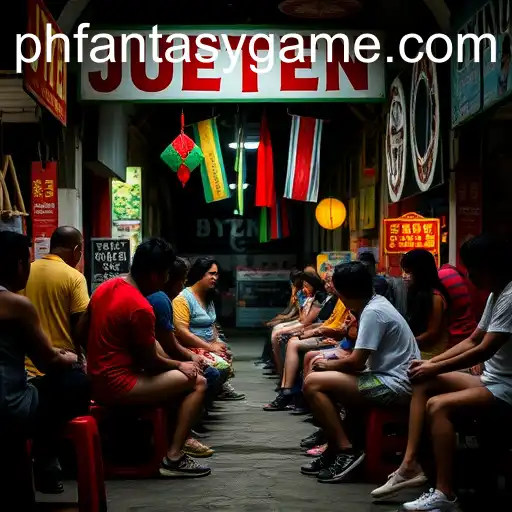

Jueteng, a widely known illegal numbers game, holds a substantial cultural and social presence in the Philippines. Despite its illicit nature, it thrives in numerous communities across the archipelago, leaving both remarkable and controversial imprints on society. Integral to understanding Jueteng is recognizing its implications not just as a form of gambling, but as a reflection of systemic issues within the country.
The word Jueteng originates from the Chinese words "huê-têng" which translate to "flower bet." The game was introduced to the Philippines during the Spanish colonial period. Its simplicity makes it popular; patrons usually pick two numbers from 1 to 37. The winning numbers are drawn, and winners receive a payout substantially higher than their original bet, fostering the allure of quick wealth.
Jueteng operates discreetly, woven into the fabric of everyday life in many Filipino communities. It typically involves a network of kubradors or collectors who gather bets from neighborhoods and pass these to cabo or supervisors, escalating up to gambling lords controlling operations regionally or nationally.
789JLIt's essential to understand Jueteng beyond its surface level as an illicit activity. Fundamentally, Jueteng functions as an economic instrument for many impoverished Filipinos. The game offers a perceived financial lifeline, where economic disparity and systemic unemployment are rampant. In some communities, jobs related to Jueteng provide income crucial for day-to-day survival, essentially tying it to the local economic structures.
From an economic perspective, Jueteng's allure is its promise of significant gains from small wagers. This possibility attracts many Filipinos who view it as a game of dreams despite the slim odds of winning, akin to investing in phantasy worlds. It symbolizes both hope and desperation in attempting to transcend economic barriers.
Efforts to curtail Jueteng have been met with numerous challenges, rooted in deep-seated issues of corruption and socio-political interdependencies. Law enforcement alone cannot effectively dismantle the system due to entrenchment within the societal and political fabric.
Several Philippine politicians have been accused of collusion with Jueteng operations, accepting bribes in exchange for protection, thus repeated pledges to eliminate Jueteng yield little change. This complex network showcases how Jueteng has permeated various levels of governance, often used as a tool for political manipulation and influence.
JiligmThe persistence of Jueteng underscores the broader issue of corruption within the Philippines. Despite initiatives for reform, including legalized lottery systems like the PCSO's Small-Town Lottery (STL), Jueteng continues to thrive. These legal alternatives are often criticized for failing to deter operators from pertpetuating Jueteng due to mistrust and non-transparency concerns with official channels.
In this context, the contrast between official responses and ground realities suggests the complexity of addressing illegal gambling. Efforts must account for the underlying social and economic aspects while forging effective governance structures.
Beyond economic and legality issues, Jueteng embodies a cultural facet within Philippine society. It has inspired folklore, stories, and even media portrayals, reinforcing its position as a deeply embedded element of Filipino life. This cultural resonance signifies that any attempts at eradication must be holistic, focusing on education, poverty alleviation, and community engagement.
Despite its defiance of legality, Jueteng remains a cultural phenomenon. Movies, television dramas, and literature have depicted the lives intertwined with the game, portraying both the triumphs and tragedies it produces. These narratives often highlight the moral and ethical questions faced by individuals and communities entangled with Jueteng.
As debates about Jueteng continue, a multifaceted approach involving reformative policies, societal education, and poverty amelioration emerges as crucial. Legalizing and regulating gambling activities might offer a transparent, controlled alternative to underground operations. However, caution is necessary to prevent repeating loopholes exploited by illegal operations.
3n4nThe road to transformation requires inclusive dialogues acknowledging Jueteng's cultural economic dimensions. Engaging communities through awareness campaigns and alternatives to gambling can pave pathways toward sustainable development devoid of dependency on illicit gambling.
The story of Jueteng underscores the persistent interplay between cultural traditions, socioeconomic realities, and efforts toward reforming systems embedded within society. Read more about societal integration and transformative pathways on our homepage.kawin ph

Dive into the vibrant world of HotRioNights, a game blending tropical allure with phfantasy's magical elements. Explore its riveting description, introduction, and rules.

Delve into the fascinating realm of tabletop games with a focus on phfantasy, a genre that intricately blends traditional fantasy with immersive gameplay.
Explore the fascinating world of Mahjong, blending tradition with modern-day fantasy elements to attract a new generation of players.

Dive into the captivating universe of FortuneHorse, a groundbreaking game blending strategy, fantasy, and collaboration.

Discover the world of Ronin, a captivating game set in a mesmerizing phfantasy universe. Learn about its features, gameplay mechanics, and current developments.

Discover the thrilling world of DevilFire2, an exhilarating fantasy game that immerses players in strategic combat and epic quests. Explore the rich storyline, engaging gameplay mechanics, and unique rules that define this gaming phenomenon.
